Special EventAnna Bradford, Director of the NRC’s Office of Nuclear Reactor Regulation, will speak with the UT Austin Student Section of the American Nuclear Society — 6:00 p.m., ETC 2.136
National Organization of Test, Research & Training Reactors
TRTR Annual Conference 2026
September 21-25
Advancing the science and application of U.S. research and test reactors in service to science, industry, and the nation.
📍 The University of Texas at Austin · Austin, Texas · Fall 2026
The TRTR Annual Conference is the preeminent gathering of professionals, researchers, and students working with test, research, and training reactors across the United States.
Hosted by the Nuclear Engineering Teaching Laboratory (NETL) at The University of Texas at Austin, the 2026 conference will feature technical sessions, facility tours, workshops, and networking opportunities spanning the full breadth of research reactor operations, science, and policy.
🔬
New for 2026 — If the Community Says Yes
Research Reactor Applications Forum
A proposed new format for TRTR: cross-sector dialogue sessions connecting reactor facilities, researchers, industry, and agencies to promote where research reactors can contribute to external needs and communication where a facility has developed an application, capability, or practice that could be useful at other facilities. Whether this becomes part of the 2026 program depends on community interest. See the concept and weigh in →
25+
U.S. Research Reactors
100+
Expected Attendees
4
Days of Technical Sessions
56
Papers & Presentations
Technical Program
Conference Topics
This year's accepted presentations, organized by session theme.
01
Dosimetry & Flux Characterization
8 PRESENTATIONS
A Parametric Physics Evaluation of Zirconium-Based Alloy In-Pile Tubes in the Advanced Test Reactor
Applications of Reactor Dosimetry Measurements at the Advanced Test Reactor Critical
Benchmarking the UML Research Reactor Fast Neutron Irradiator Using ASTM E1855 Silicon Displacement Damage Dosimetry
Experiment Modeling Validation of Advanced Test Reactor Critical Tests
Flux Determination at NETL's tPNT Location via STAYSL PNNL's Least-Squares Fit Spectral Adjustment Software
Flux Model Verification for Solid-State Nuclear Power
Modernization of Radiation Measurement Methods in Support of the Ongoing Advanced Test Reactor Mission
Simulated Gas Calibrations of Eu-152 at the TRIGA reactor at NETL at The University of Texas at Austin
02
New Reactor & Isotope Facility Development
8 PRESENTATIONS
Current Status of the University of Illinois Microreactor Demonstration Project
NextGen MURR at the American Conference on Neutron Scattering University-Based Neutron Sources Workshop
The Idaho State University Advanced Research and Testing (ART) Reactor Facility: A Collaboration with NuCube Energy
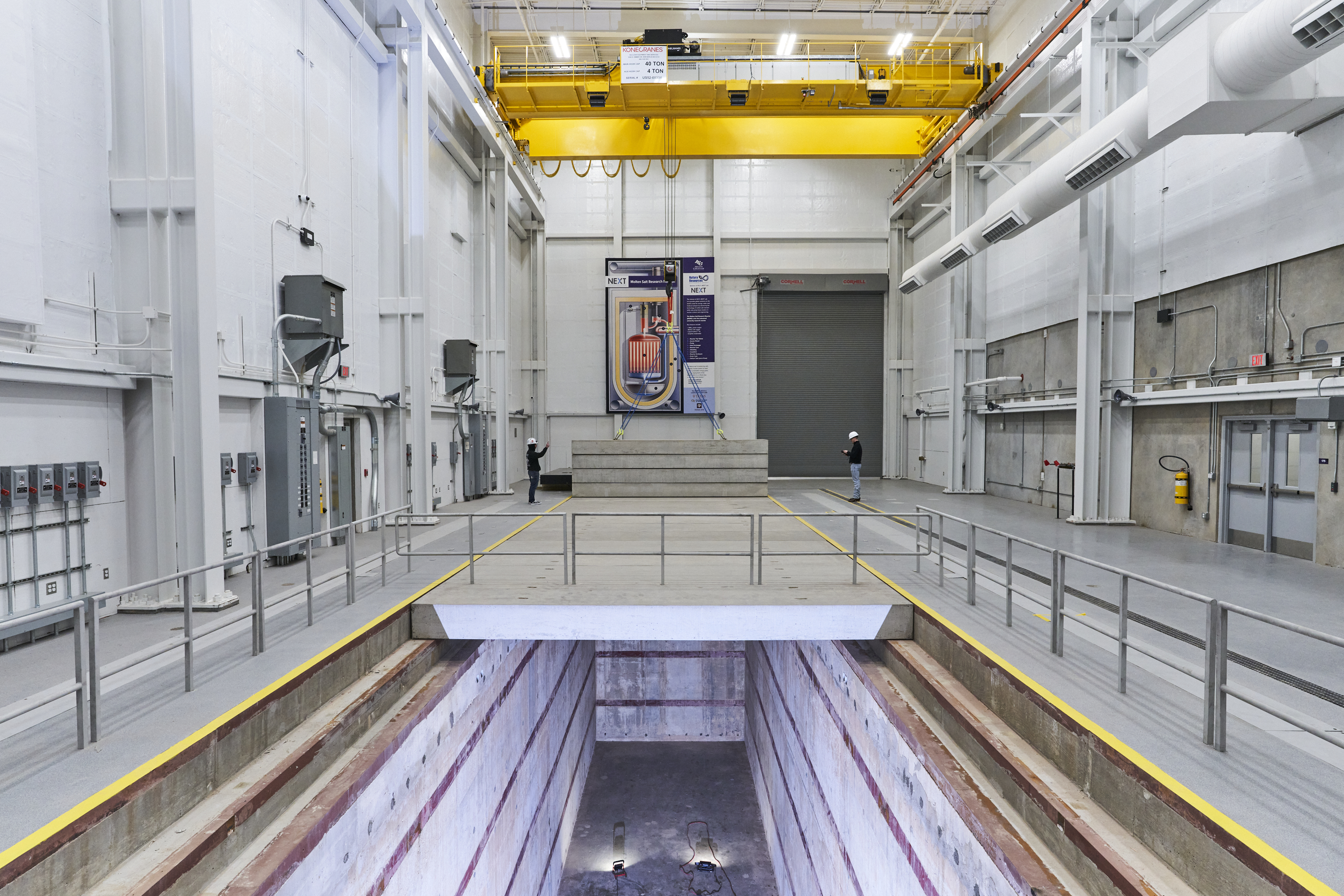
The Molten Salt Research Reactor at Abilene Christian University
The Vision of NextGen MURR
Unity Zero Power Critical Experiment Installation and Criticality in NRAD's North Radiography Station
Eden Precision Science, Human Impact: Technology Overview
Failure, Evidence, Redesign: Resolving Retaining-Ring Fractures in the NBSR Refueling Plug
From Fuel Failure to Robust Engagement: Investigation, Redesign, and Validation of the NBSR Fuel Element Head
Improving MURR Anti-Siphon Control System Reliability
Integration of Legacy Materials from the Annular Core Research Reactor into a New Regulating Rod
Investigation of a cadmium contamination event during a radiotracer production activity
Reducing Confinement Building Leak Rate
UUTR Tank Repair Efforts
Update on the Operability of the Reed Research Reactor
04
Fuel Cycle: Supply & Qualification
7 PRESENTATIONS
2026 Status Report University Fuel Services Program
Supporting the Research Reactor Community Through Integrated Transportation, Engineering, and Project Delivery: Operational Lessons Learned
The TRIGA International (TI) production line in Romans, France
Use of Zone-Melt Refining to Enable a Uranium-Actinide Closed Fuel Cycle for Research Reactors
As-Run neutronic analysis of U-10Mo monolithic fuel plate experiments in the Advanced Test Reactor
Characterization of a HALEU-Fueled AGN-201M Reactor for Benchmark Evaluation
Design and Safety Analysis Codes and Methods for HALEU Conversions and New Build Research Reactors in the U.S. and Beyond
05
Instrumentation & Detector Development
6 PRESENTATIONS
Advancements in Commercially-Configurable Micro-Pocket Fission Detectors
High Temperature Fission Chambers Output Signal Characterization
Measurement Campaign with the Libera MONACO 3 System at the VR-1 Reactor Using Two Fission Chamber Types
NISoC: An Integrated Solid-State Platform for Neutron Detection, Radiography, and Dosimetry
Nuclear Instrumentation for Both the Research Reactor and Advanced Reactor Communities
Prototype Nuclear Qualification Device Testing for Advanced Neutron Sensor Experiments at AFRRI
06
Digital Tools, Automation & Digital Twins
6 PRESENTATIONS
Data-Driven Improvements to TRIGA Reactor Operations
Recent Experience with Lightweight Digital Tools for Scheduling and Documentation at the NC State PULSTAR Research Reactor
Natura Resources MSR-1 Goals and Objectives (Late-Breaking)
Keeper: A Framework for Demonstration Autonomous Operations
Advancing Digital Twin Development of Research Reactors Through a Shared Platform
Live 3D Radiation Mapping
07
Regulatory, Licensing & QA
4 PRESENTATIONS
HFIR Code of Record project
NextGen MURR ANSI/ANS-15.8 Quality Assurance Program Development
Authorization for Startup of the Deployable Energy UNITY Reactor through NE-STD-1271 and NE Order 425.1
Return of the NCNR to 20 MW Scientific Operation
08
Nuclear Data & Xenon Spectroscopy
4 PRESENTATIONS
Analysis of Xenon Prompt Gammas from Thermal Neutron Capture
Design and Fabrication of a System for High-Pressure Xenon Irradiation
Xenon-135 Production and Prompt Gamma Activation Analysis
Measurement of the Isomeric Yield Ratio of Xenon-135m from Thermal Neutron Capture on Xenon-134
09
Radiation Effects on Electronics
3 PRESENTATIONS
Examination of a Circuit's Slew Rate Degradation During In-situ Irradiation of Circuit Sensitive Transistor
Neutron-Induced Single Event Upsets within SRAM Devices
UT-Austin NETL Combined Electromagnetic and Neutron Environments Testing Capabilities
10
Education & Outreach
2 PRESENTATIONS
Classical vs. Modern: A Tale of Two Reactors at Idaho State University
Research Reactor Outreach Program: A Collaboration between the International Atomic Energy Agency, the University of Texas and Jordan Atomic Energy Commission
Program
Conference Schedule
📅 Monday, September 21 — Registration & Committee Meetings:
The outline below reflects planned structure and is subject to change.
NRC Day date to be confirmed with the NRC.
12:00 p.m. Registration opens
12:30 p.m. TRTR Executive Committee meeting
2:00 p.m. ANSI/ANS Standards Committee meeting
5:00 p.m. Applications Forum: Digital Twin Applications for Research Reactors, MMRs, and SMRs
7:00 p.m. Welcome Social
1
Tuesday
September 22, 2026
Opening Remarks
Technical Sessions I
Track A: Dosimetry & Flux Characterization (8 presentations) Track B: New Reactor & Isotope Facility Development (8 presentations)
Every accepted talk, in order, with start times and speakers — so you can plan which sessions to attend. Tuesday runs two tracks in parallel; Wednesday is NRC Day; Thursday and Friday are single-track.
Track ATrack B
8:00 AM
Opening Remarks
8:30 AM
Dosimetry & Flux Characterization
A Parametric Physics Evaluation of Zirconium-Based Alloy In-Pile Tubes in the Advanced Test Reactor
Bryon Curnutt
New Reactor & Isotope Facility Development
Current Status of the University of Illinois Microreactor Demonstration Project
Leslie Foyto
8:50 AM
Applications of Reactor Dosimetry Measurements at the Advanced Test Reactor Critical
Dani G. Ottaway
NextGen MURR at the American Conference on Neutron Scattering University-Based Neutron Sources Workshop
Ethan Schroeder
9:10 AM
Benchmarking the UML Research Reactor Fast Neutron Irradiator Using ASTM E1855 Silicon Displacement Damage Dosimetry
Thomas Regan
The Idaho State University Advanced Research and Testing (ART) Reactor Facility: A Collaboration with NuCube Energy
Daniel LaBrier
9:30 AM
Experiment Modeling Validation of Advanced Test Reactor Critical Tests
Nicklaus Schlamp
The Molten Salt Research Reactor at Abilene Christian University
Kim L. Pamplin
9:50 AM
Flux Determination at NETL's tPNT Location via STAYSL PNNL's Least-Squares Fit Spectral Adjustment Software
Julian Herrera
The Vision of NextGen MURR
Ethan Schroeder
10:10 AM
Flux Model Verification for Solid-State Nuclear Power
Eric Palmer
Unity Zero Power Critical Experiment Installation and Criticality in NRAD's North Radiography Station
Charles Jones
10:30 AM
Break
10:50 AM
Modernization of Radiation Measurement Methods in Support of the Ongoing Advanced Test Reactor Mission
Dani G. Ottaway
Eden Precision Science, Human Impact: Technology Overview
Edward Parma
11:10 AM
Simulated Gas Calibrations of Eu-152 at the TRIGA reactor at NETL at The University of Texas at Austin
Failure, Evidence, Redesign: Resolving Retaining-Ring Fractures in the NBSR Refueling Plug
Rubin & Hix
Fuel Cycle: Supply & Qualification
2026 Status Report University Fuel Services Program
Douglas K. Morrell
11:50 AM
TRTR Business Meeting (both tracks)
12:30 PM
Lunch & Exhibits
1:10 PM
From Fuel Failure to Robust Engagement: Investigation, Redesign, and Validation of the NBSR Fuel Element Head
Rubin & Hix
Supporting the Research Reactor Community Through Integrated Transportation, Engineering, and Project Delivery: Operational Lessons Learned
Eric Woolstenhulme
1:30 PM
Improving MURR Anti-Siphon Control System Reliability
Peter Norgard
The TRIGA International (TI) production line in Romans, France
Ralf Gathmann
1:50 PM
Integration of Legacy Materials from the Annular Core Research Reactor into a New Regulating Rod
Samuel G. Durbin
Use of Zone-Melt Refining to Enable a Uranium-Actinide Closed Fuel Cycle for Research Reactors
Jackson Keppen
2:10 PM
Investigation of a cadmium contamination event during a radiotracer production activity
Jeffrey Geuther and Aaron Wilmot
As-Run neutronic analysis of U-10Mo monolithic fuel plate experiments in the Advanced Test Reactor
Paul Gilbreath
2:30 PM
Reducing Confinement Building Leak Rate
Robert Newby
Characterization of a HALEU-Fueled AGN-201M Reactor for Benchmark Evaluation
Daniel LaBrier
2:50 PM
UUTR Tank Repair Efforts
Andrew Allison, Dylan Ramirez
Design and Safety Analysis Codes and Methods for HALEU Conversions and New Build Research Reactors in the U.S. and Beyond
Erik Wilson
3:10 PM
Break
3:30 PM
Radiation Effects on Electronics
Examination of a Circuit's Slew Rate Degradation During In-situ Irradiation of Circuit Sensitive Transistor
Michael Sheridan
—
3:50 PM
Neutron-Induced Single Event Upsets within SRAM Devices
Michael Santos
—
4:10 PM
UT-Austin NETL Combined Electromagnetic and Neutron Environments Testing Capabilities
Nicholas Crenshaw, Michael Sheridan, William Charlton, Josh Young
—
4:30 PM
Education & Outreach
Classical vs. Modern: A Tale of Two Reactors at Idaho State University
Daniel LaBrier
—
4:50 PM
Research Reactor Outreach Program: A Collaboration between the International Atomic Energy Agency, the University of Texas and Jordan Atomic Energy Commission
Sheldon Landsberger
—
5:00 PM
Facility M&O Meeting
6:00 PM
Student ANS Meeting
With Director, NRC Office of Nuclear Reactor Regulation (NRR)
All Day
NRC Day
Full day with Nuclear Regulatory Commission representatives — session-by-session agenda to be published once confirmed with the NRC.
Midday
Lunch & Exhibits
5:30 PM
Conference Banquet
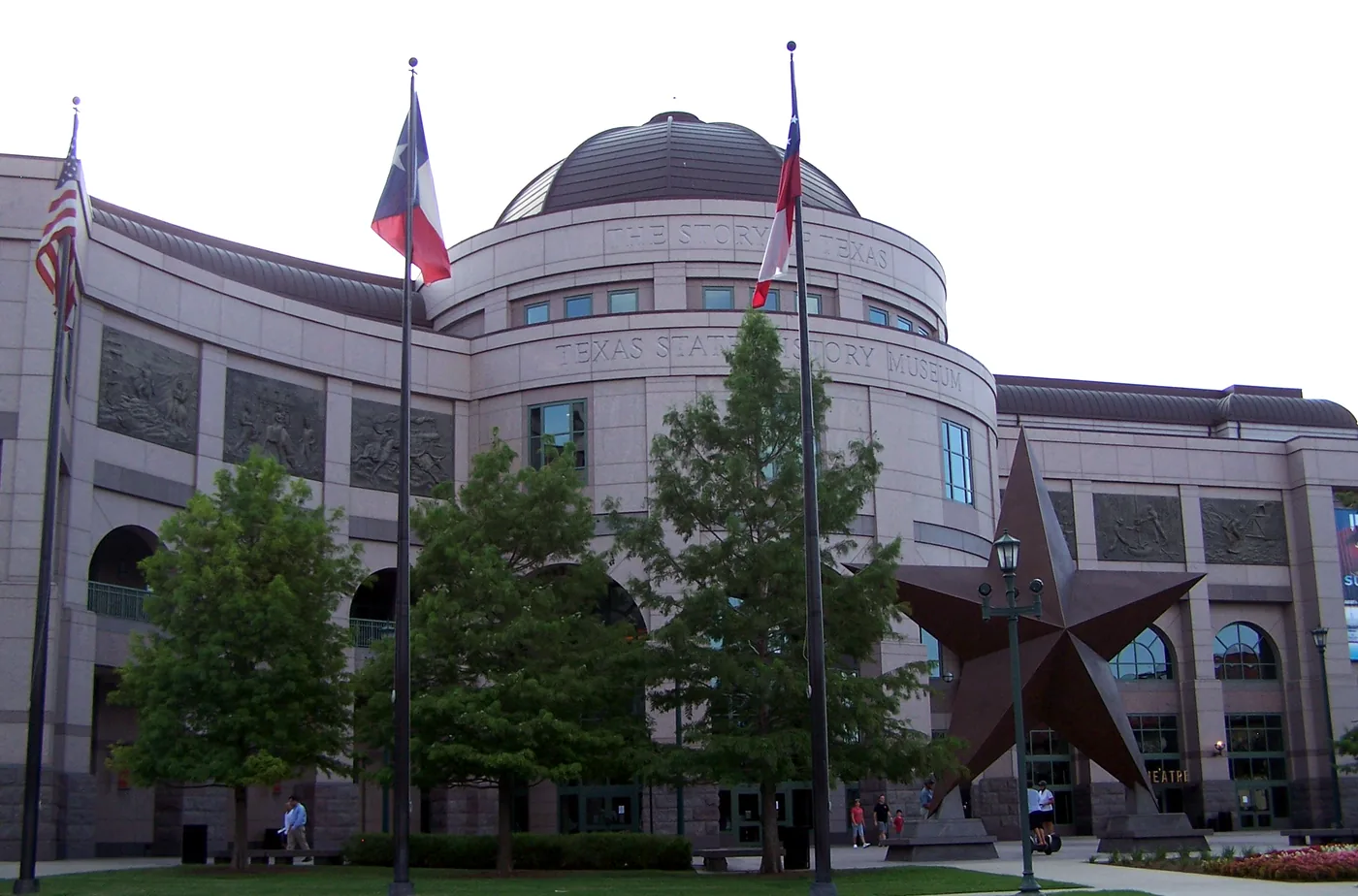
Menu TBD, Venue – Bullock Texas State History Museum
8:30 AM
Instrumentation & Detector Development
Advancements in Commercially-Configurable Micro-Pocket Fission Detectors
Taylor Ochs
8:50 AM
High Temperature Fission Chambers Output Signal Characterization
A. Rizzo, N. Jackowska, K. Irazoqui, A. Cook, Q. Gestes, M. Shaw, A. Alloune, C. Payne, J. Thompson
9:10 AM
Measurement Campaign with the Libera MONACO 3 System at the VR-1 Reactor Using Two Fission Chamber Types
V. Fišinger, M. Elersič1, M. Cargnelutti, B. Thomas
9:30 AM
NISoC: An Integrated Solid-State Platform for Neutron Detection, Radiography, and Dosimetry
Dale Julson
9:50 AM
Nuclear Instrumentation for Both the Research Reactor and Advanced Reactor Communities
Ewald Liebhart
10:10 AM
Prototype Nuclear Qualification Device Testing for Advanced Neutron Sensor Experiments at AFRRI
Johnathan Grissom
10:30 AM
Break
10:50 AM
Regulatory, Licensing & QA
HFIR Code of Record project
Carol W. Sizemore
11:10 AM
NextGen MURR ANSI/ANS-15.8 Quality Assurance Program Development
Ethan Schroeder
11:30 AM
Authorization for Startup of the Deployable Energy UNITY Reactor through NE-STD-1271 and NE Order 425.1
Update on the Operability of the Reed Research Reactor
Jerry Newhouse
12:30 PM
Lunch & Exhibits
1:10 PM
Free Time & Departures
Conference concludes
Submissions
Submit Your Abstract
We welcome abstracts from researchers, operators, students, and industry professionals. Accepted papers will be scheduled for oral or poster presentation and included in the conference proceedings. If you intend to present but are not ready to submit an abstract use the "Intent to Submit" option in "Submit Abstract"
TBD — Spring 2026
Abstract Submission Opens
Portal opens for 300-word abstract submissions across all conference topics.
August 1, 2026
Abstract Submission Deadline
All abstracts must be submitted by 11:59 PM CT on this date.
August 15, 2026
Acceptance Notifications
Authors notified of acceptance and presentation format (oral/poster).
August 31, 2026
Full Presentation Due
Presentations due for inclusion in techncial sessions.
To register your intent to submit later, press Submit Abstract and select the Intent to Submit tab.
Abstract Submission
Fill in your details and choose a submission method below.
0 / 300 words
📄
Click to browse
PDF or .docx accepted
Register Your Intent to Submit
Not ready yet? Let us know you plan to submit — helps the program committee plan sessions. No abstract text required.
Fill in your name and email above, then click Submit Abstract to record your intent.
📋 Abstract Guidelines
📝Maximum 300 words, structured with objective, methods, results, and conclusions.
🔤Title limited to 20 words. Include all author names and affiliations.
🏷️Select up to 3 topic areas from the conference topic list.
📁Submission format: plain text or PDF via the online submission portal.
🌐Submissions accepted from presenting author only. Co-author details may be added in the submission form.
📄Full manuscripts due 4 weeks after acceptance notification.
⚡Student submissions are encouraged
Questions about submissions? Contact the Program Committee at [email protected] (placeholder — to be updated).
Accommodations
Conference Hotel
Hotel Partnership
The conference will be held at the Residence Inn by Marriott Austin Downtown/Convention Center. The conference room rate is $199/night until August 28, valet parking $35/night or $20/day. Book here.
Nearby Hotel Options
The following hotels are within walking distance and participate in U.S. Government / GSA per diem rate programs. Present your government ID at check-in.
Marriott · Extended Stay
Residence Inn Austin Downtown / Convention Ctr
300 E 4th St, Austin, TX 78701
(same building as conference hotel)
Hilton · Full Service
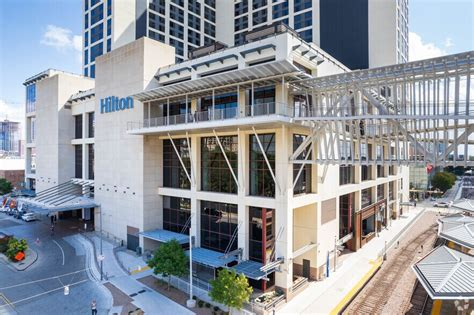
Hilton Austin
500 E 4th St, Austin, TX 78701
(~2 blocks east)
IHG · Budget Friendly
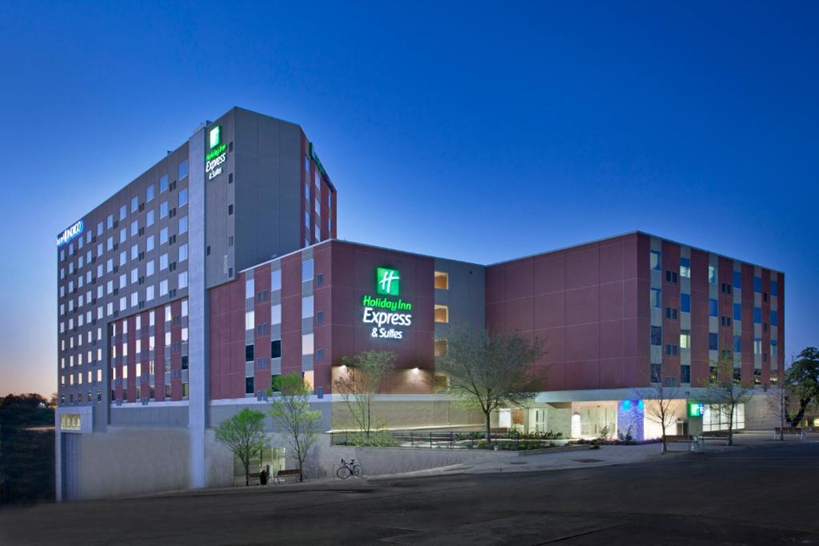
Holiday Inn Express & Suites Austin Downtown – University
805 Neches St, Austin, TX 78701
(~0.5 mi north)
Why Austin
Texas' Advanced Nuclear Capital
Austin has emerged as a de facto headquarters for the advancing nuclear renaissance — home to a unique concentration of industry advocacy bodies, state policy offices, reactor developers with active manufacturing facilities, and a research reactor with license renewal progressing in a rapidly changing environment. No city outside the traditional federal laboratory corridors can match this density of nuclear activity.
Prototypes, test platorms, new reactor concepts, and fast builds are a pressure test for safety standards and quality assurance systems that are the core of legacy nuclear safty culture. This conference the center of active development is a timely reminder that shared expertise, experience, and research of the Test, Research, and Training Reactor community has an important role as the nuclear industry moves forward.
4
Advanced Nuclear Facilities with an Austin presence
The only industry association in Texas dedicated exclusively to advancing nuclear technology across the state. Headquartered in Austin, TNA hosts the annual Texas Nuclear Summit and is the primary voice of the nuclear industry at the state level.
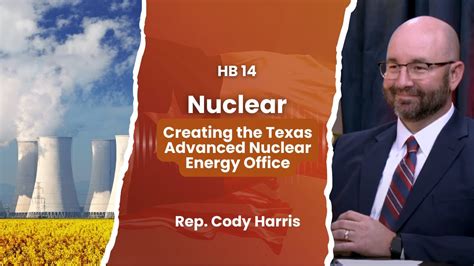
House Bill 14 directs TANEO lead Texas to a balanced energy future with innovative nuclear generation. It administers the $350 million Texas Advanced Nuclear Development Fund — one of the largest state-level nuclear investment programs in the country.
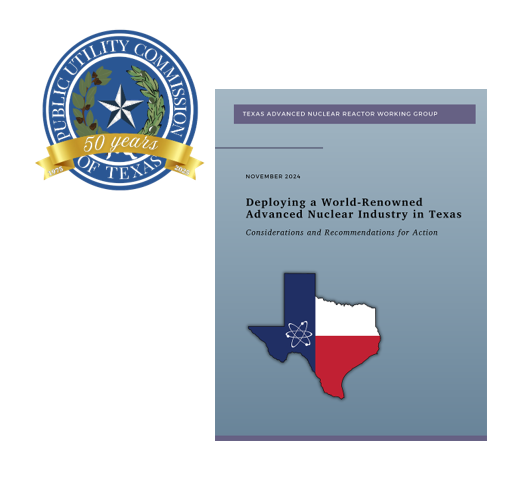
The PUCT regulates the state's electric, telecommunication, and water utilities, with growing oversight responsibilities as nuclear energy re-enters Texas's generation mix. Its decisions shape the policy and market framework for new reactor deployment statewide.
The University of Texas Energy Institute coordinates interdisciplinary energy research, education, and policy engagement across UT Austin. It bridges academia, industry, and government to advance solutions across the full energy landscape — including nuclear.
UT Austin
Energy Institue Event
Energy Week 2026
TRTR 2026 is timed to align with Austin's Energy Week — a convergence of energy industry events, policy forums, and networking across the city. Attendees gain access to a broader ecosystem of energy stakeholders at one of the sector's most active annual gatherings.
Aalo opened a 40,000-square-foot headquarters and manufacturing facility in Austin — midway between downtown and the airport — where it is building its experimental Aalo-X microreactor and plans to manufacture its Aalo-1 sodium-cooled fast reactor on a factory production line.
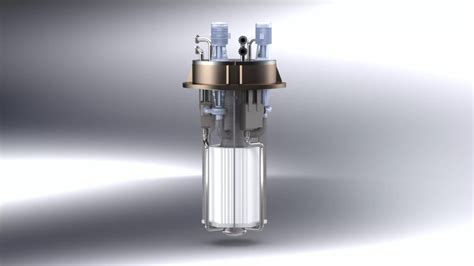
Last Energy, headquartered in Austin, Texas, is developing factory-built microreactors designed for rapid deployment to industrial customers. The company focuses on modular, repeatable nuclear plants to accelerate clean energy deployment worldwide.
Natura selected Abilene Christian University to lead the Natura Resources Research Alliance (4-university consortium of Texas A&M, UT Austin & Georgia Tech) to design, license, and build a molten salt research reactor on ACU's campus. The construction permit is the only NRC construction permit for a liquid-fueled reactor design in U.S. history.
Only NRC Liquid-Fuel Permit · ACU Lead
HALEU Enrichment · Joint Venture
Quantum Leap Energy
Austin-headquartered Quantum Leap Energy has a joint venture with Fermi America to develop a HALEU enrichment research and production facility — co-located with Fermi America's hypergrid campus in Amarillo, Texas, supporting HALEU for advanced reactor designs now entering the deployment pipeline.
HALEU Enrichment · Amarillo Hypergrid
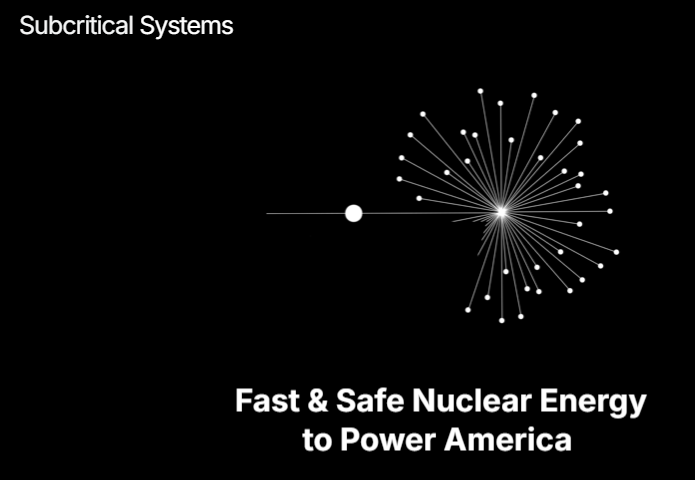
Accelerator-Driven Subcritical Fission
Subcritical Systems
Subcritical Systems is bringing the energy amplifier concept to the US to safely generate electrical power with a particle accelerator to sustain fission of nuclear fuel in a subcritical core generating power.
Accelerator-Driven Energy Amplifier
Isotope Production — Active Facility in the Austin Metro
A wholly owned subsidiary of Oklo (NYSE: OKLO), Atomic Alchemy is building the Groves Isotopes Test Reactor — a light-water-cooled, pool-type Versatile Isotope Production Reactor (VIPR) — in Caldwell County, Texas, as part of the planned Proto-Town Innovation Hub. The DOE approved their Nuclear Safety Design Agreement under the Reactor Pilot Program in March 2026, and the company is targeting criticality by July 4, 2026 — potentially making it operational before the TRTR conference. The facility is designed to produce isotopes for cancer diagnosis and treatment, advanced manufacturing, scientific research, space exploration, and national security, and will serve as a pilot for a planned multi-reactor isotope foundry.
DOE NSDA Approved · Criticality Target July 2026
Reactor Digital Twin Research
UT Austin · Nuclear Engineering Teaching Laboratory
Digital Twin Protoype for the TRIGA Mark II Research Reactor
UT Nuclear and Radiation Engineering Program researchers developed a protoype digital twin of the NETL TRIGA reactor, collecting data to calibrate faster than real-time performance predictor to support developing control methodolgy. The TRIGA reactor simulator, historical data, reactor core configuration, real-time data streaming, a first-of-a-kind web-based simulator, a state-of-the-art data-driven reactor controller and the physics-informed Shadowcaster engine are on disply at https://nuclear-twins.tacc.utexas.edu.
Location
Austin, Texas
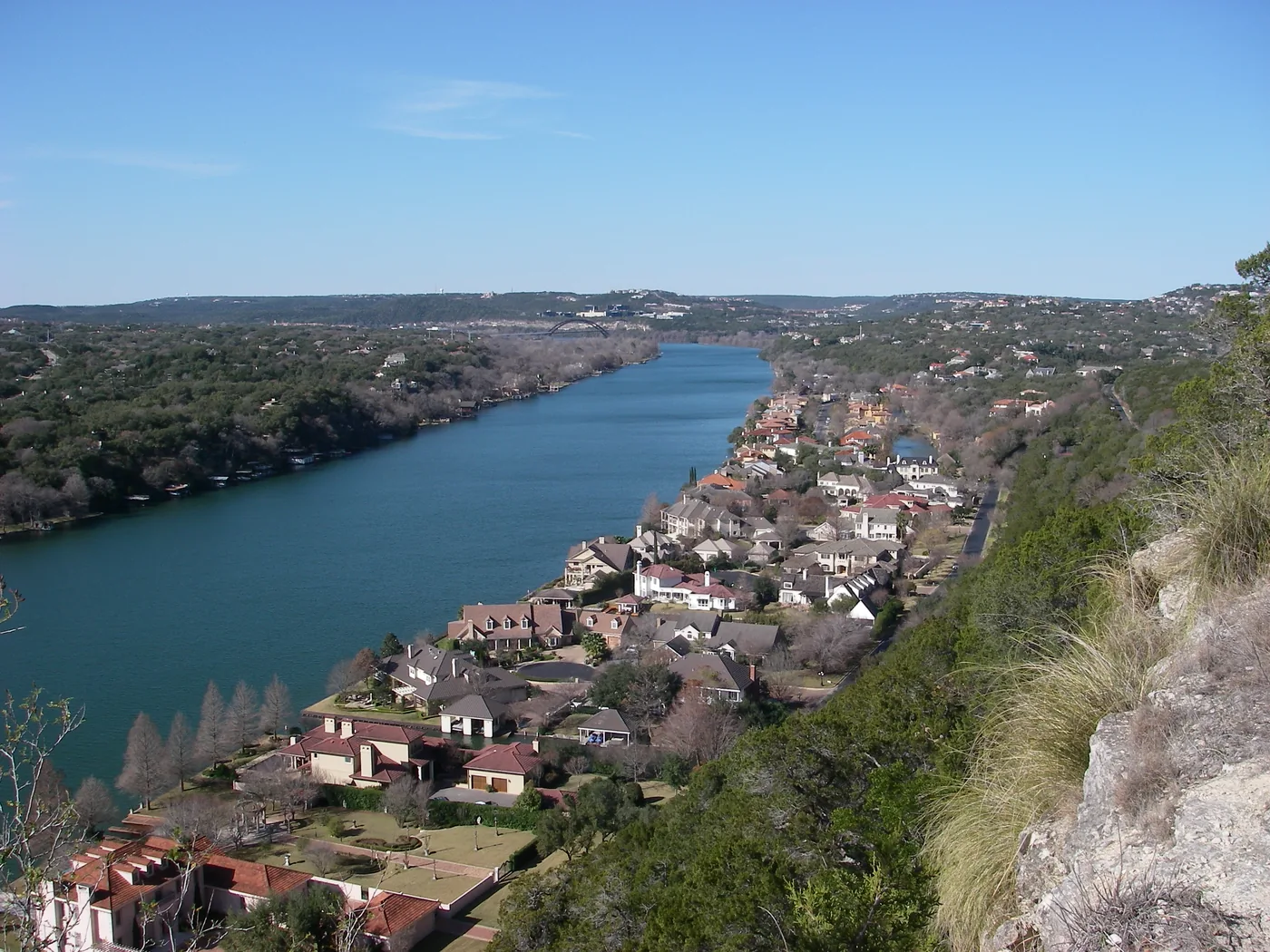
The University of Texas at Austin anchors one of America's most dynamic cities — a hub of technology, culture, and live music on the banks of the Colorado River.
Nuclear Engineering Teaching Lab
UT Austin's NETL operates a 1.1 MW TRIGA Mark II reactor, one of the most utilized university research reactors in the country.
✈️
Getting Here
Austin-Bergstrom International Airport (AUS) is ~25 minutes from campus. Major airlines provide direct service from most U.S. cities. Rideshare and taxi services are widely available.
🎸
Live Music Capital of the World
Austin is renowned for its live music scene, world-class cuisine, and the famous 6th Street entertainment district. Free time will not be wasted in this city.
🌿
Outdoor & Recreation
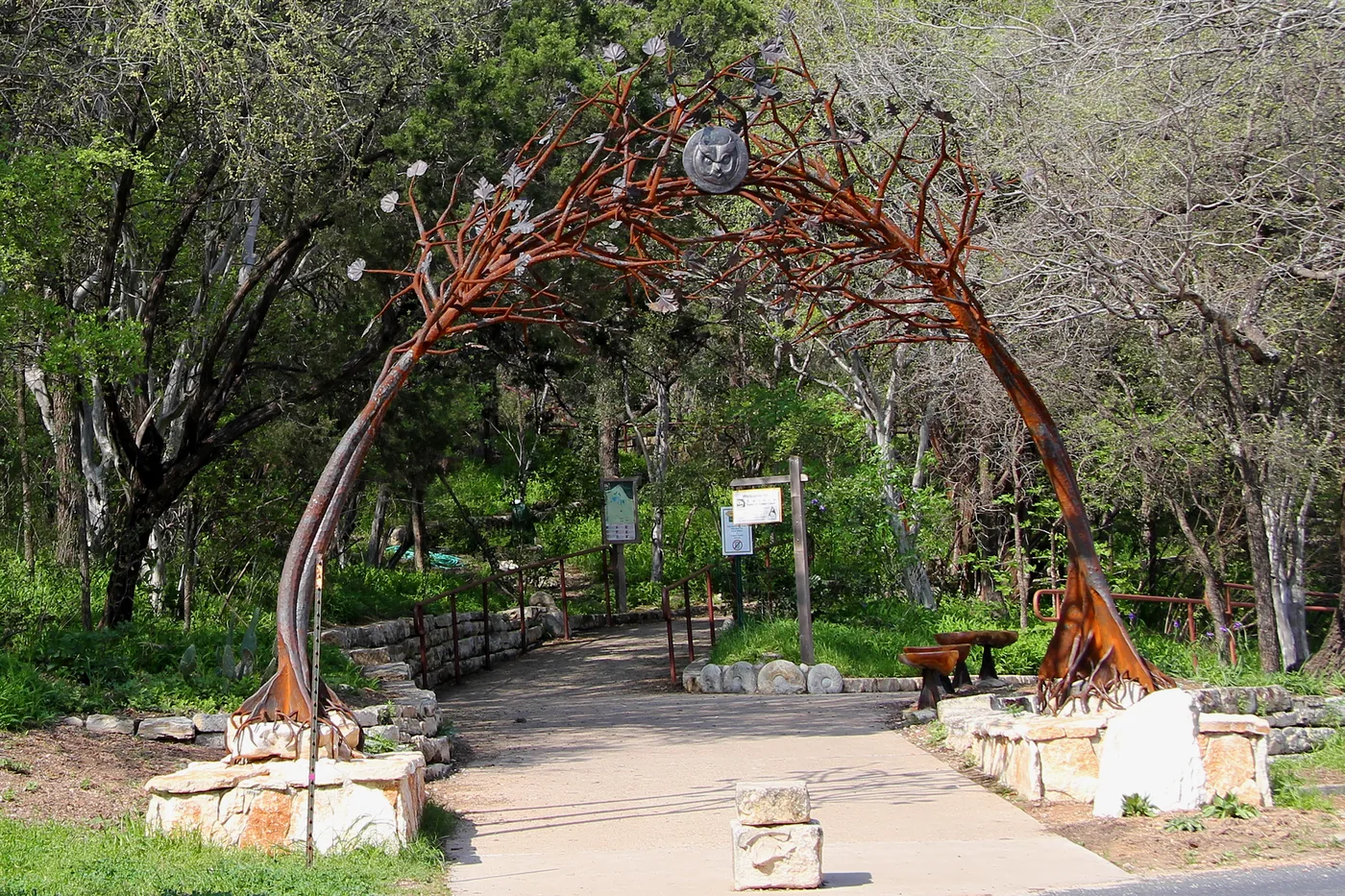
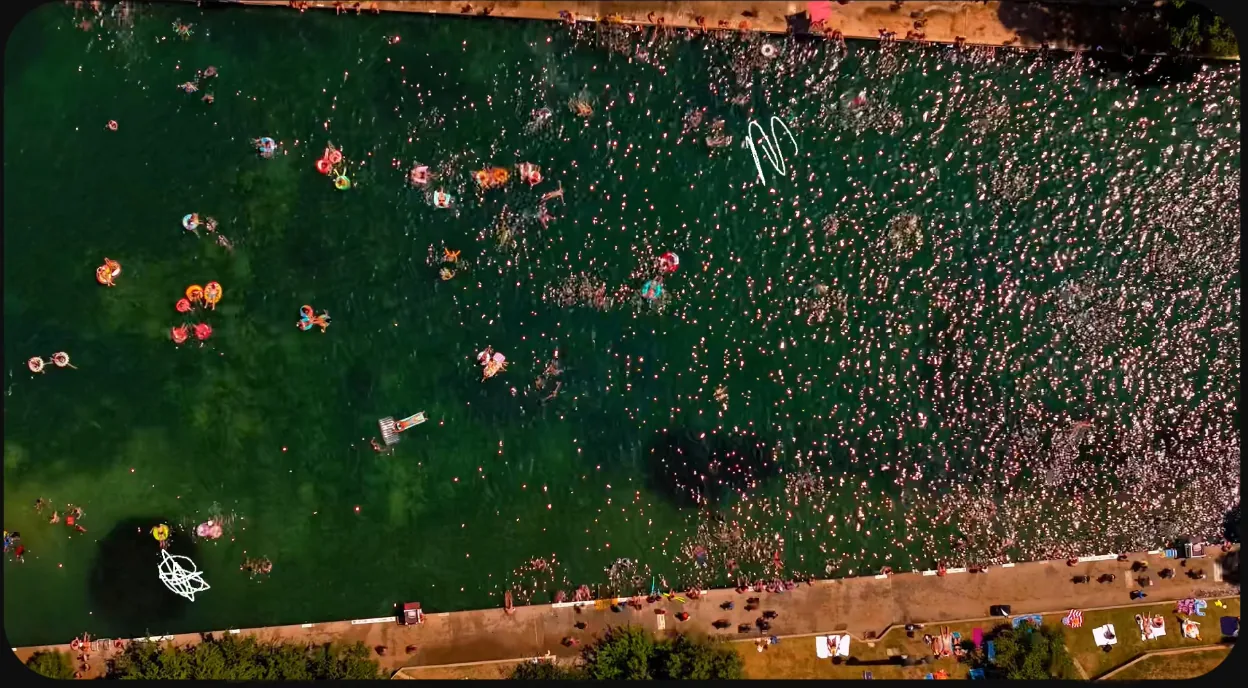
Barton Springs Pool, Lady Bird Lake kayaking, and the Barton Creek Greenbelt are all minutes from campus. October weather is ideal for outdoor exploration.
Austin After Hours
A City That Never Stops
Austin is unlike any other conference city. Beyond the technical sessions, you'll find a metropolis buzzing with live music, world-class sports, and iconic Texas culture — all within minutes of campus.
Live Music
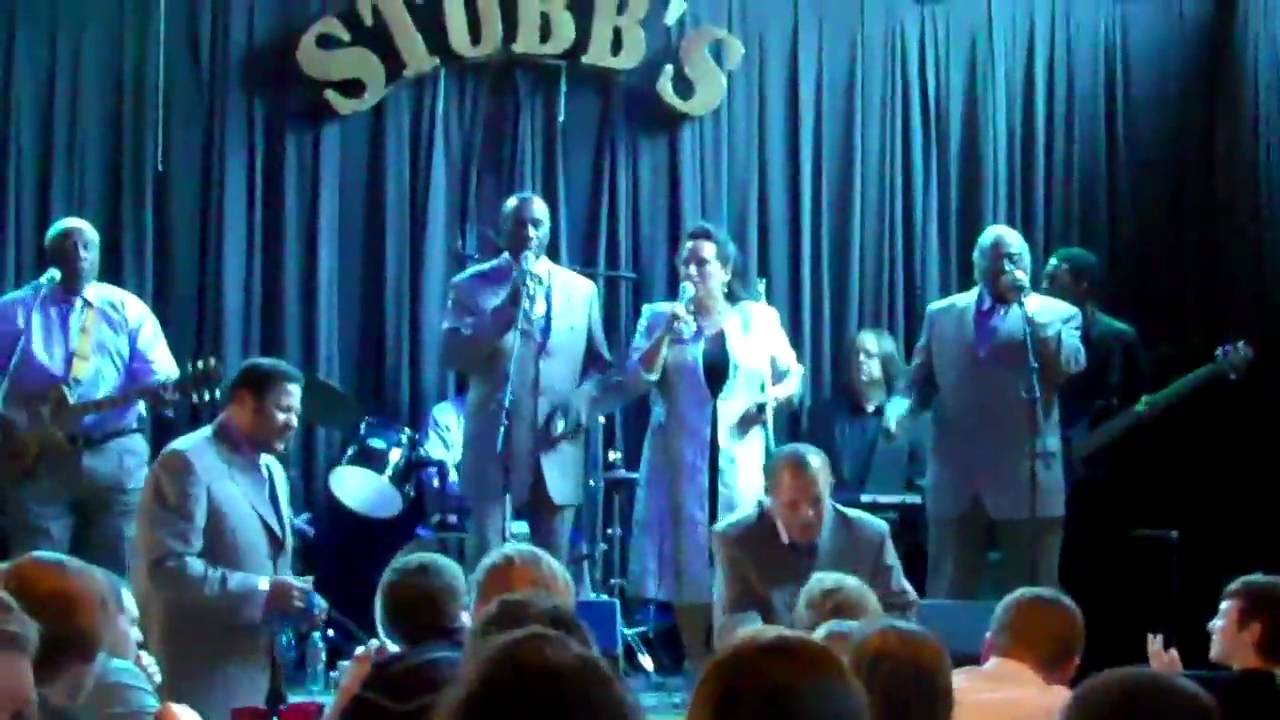
Stubb's Waller Creek Amphitheater
One of Austin's most storied live music venues, Stubb's has hosted legends from Willie Nelson to Radiohead in its beloved outdoor amphitheater. With shows nearly every night, it's a short walk from the UT campus and the perfect place to experience Austin's legendary music scene firsthand.
Outdoor Amphitheater0.5 mi from campus
Festival
Austin City Limits Music Festival
The legendary ACL Music Festival takes over Zilker Park each fall, drawing over 75,000 fans per day to watch hundreds of acts on multiple stages — with the Austin skyline as a backdrop. Even outside festival season, the ACL Live taping studio at the Moody Center carries on the tradition of America's longest-running music TV program.
Zilker ParkAnnual Fall Event
Texas Tradition
Broken Spoke Dance Hall
Since 1964, the Broken Spoke has been Austin's authentic Texas honky-tonk. Voted Best Honky Tonk in Texas, this beloved institution has survived decades of development surrounding it — a true "last dancehall" where two-stepping with strangers is highly encouraged. Hash browns, chicken-fried steak, and cold Lone Stars complete the experience.
Est. 1964South Congress Ave
Minor League Baseball
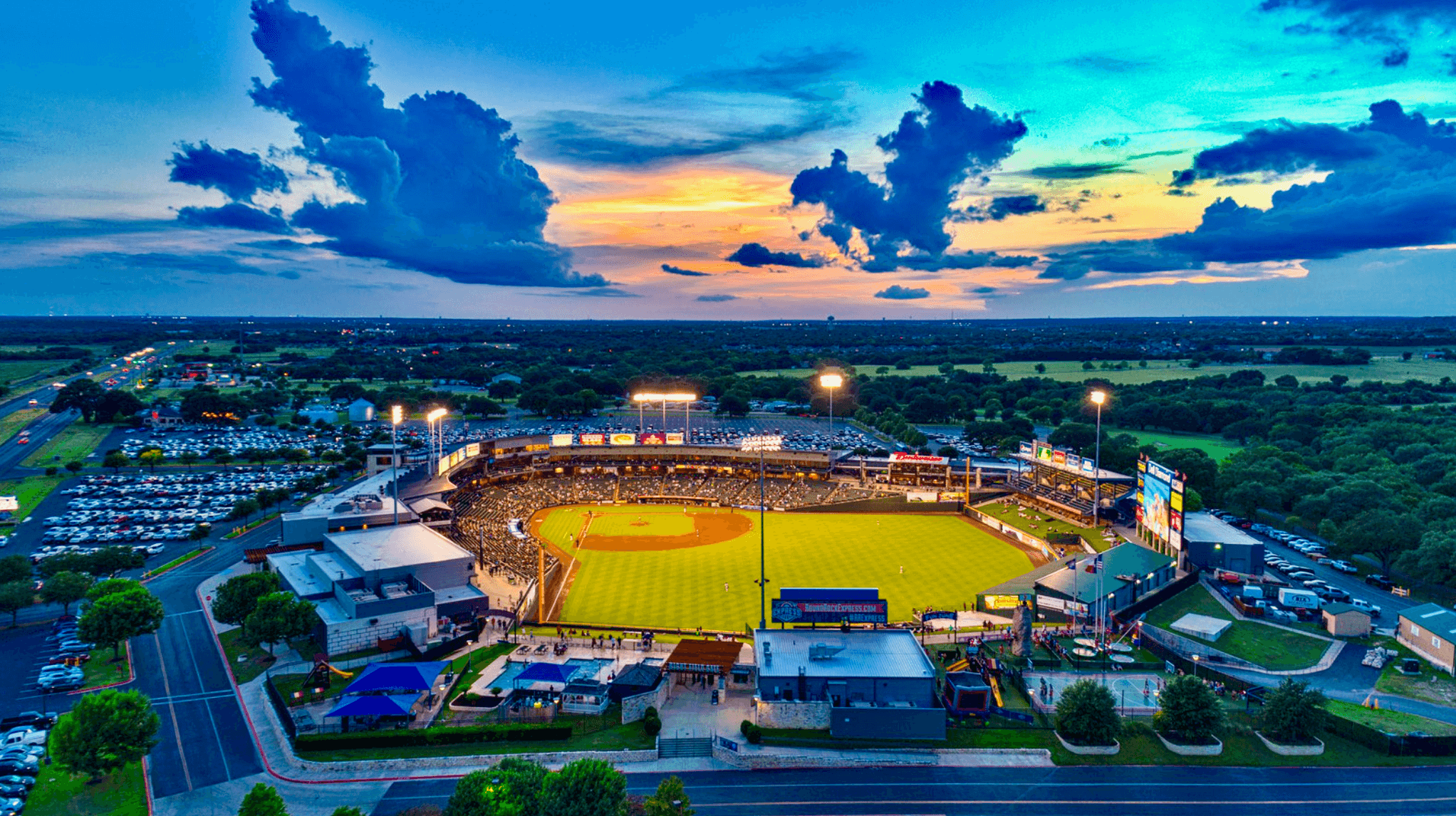
Dell Diamond — Round Rock Express
The Round Rock Express, Triple-A affiliate of the Texas Rangers, play at Dell Diamond — one of the finest minor league ballparks in America. Catch a game under the Texas sky just 20 minutes north of campus. Affordable tickets, great food, and an experience that captures the soul of American baseball at its most approachable.
Triple-A BaseballRound Rock, TX · 20 min
Motorsport
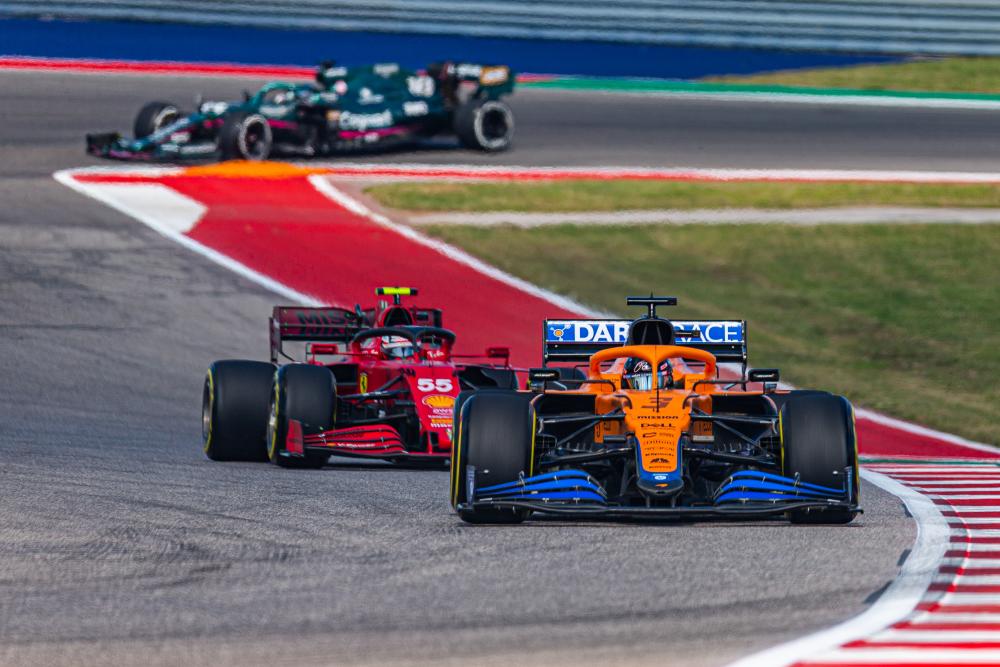
Circuit of the Americas
America's premier Formula 1 circuit sits just 15 miles southeast of downtown Austin. Home to the US Grand Prix, COTA also hosts MotoGP, IndyCar, a theme park, and a packed events calendar year-round. Even outside race weekends, the facility offers tours, go-karting, and a 251-foot observation tower with panoramic views of the Texas Hill Country.
F1 · MotoGP · IndyCar15 mi from campus
MLS Soccer
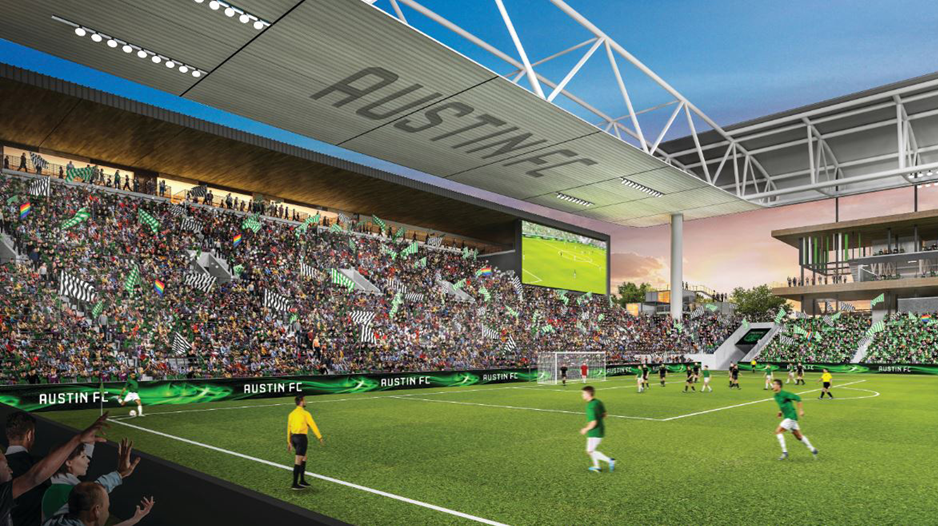
Austin FC — Q2 Stadium
Austin's Major League Soccer club plays at Q2 Stadium, the first soccer-specific stadium built in Texas. The Verde faithful — known as Las Coronas — create one of the loudest atmospheres in MLS. Catch a home match and join tens of thousands of fans in the standing supporter's section for a true Austin spectacle.
MLS · Major League SoccerQ2 Stadium · 3 mi from campus
Natural Wonder
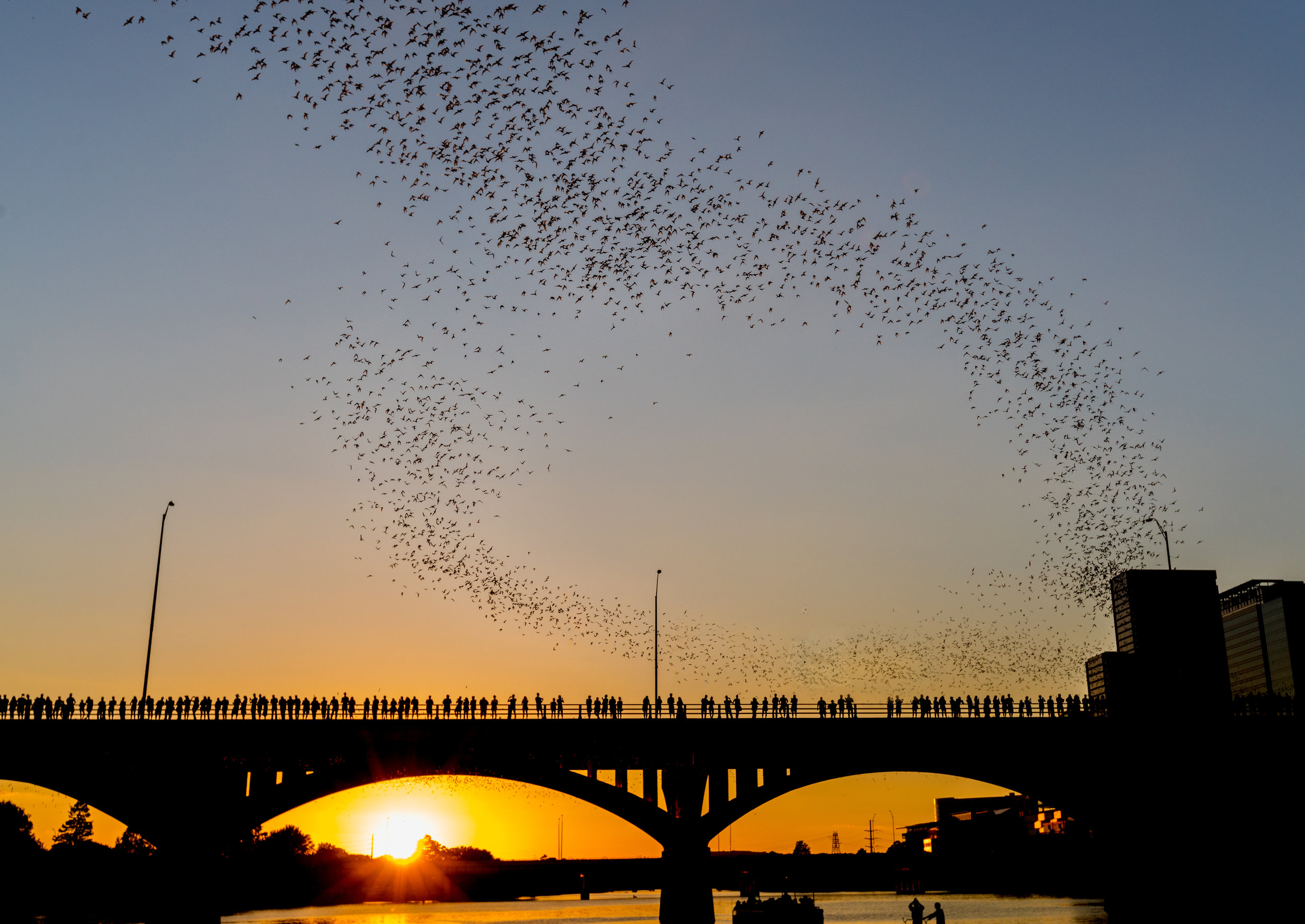
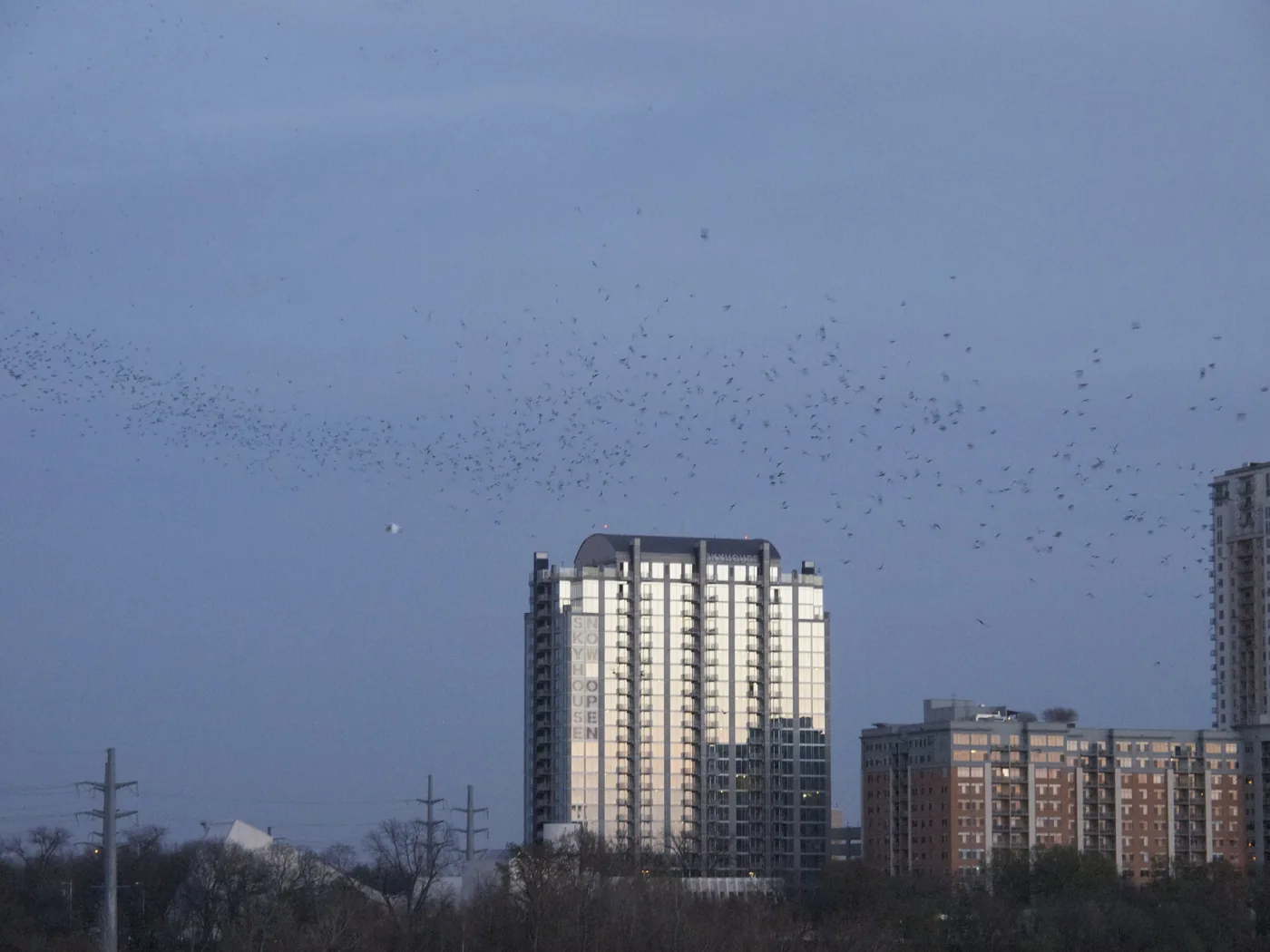
Congress Avenue Bridge Bats
Each evening at dusk, up to 1.5 million Mexican free-tailed bats stream out from beneath the Congress Avenue Bridge in the world's largest urban bat colony. Crowds gather along the bridge and the banks of Lady Bird Lake to watch the swirling emergence against the Austin skyline — a uniquely Austin spectacle just minutes from campus.
Nightly at DuskCongress Ave Bridge · 2 mi from campus
Landmark
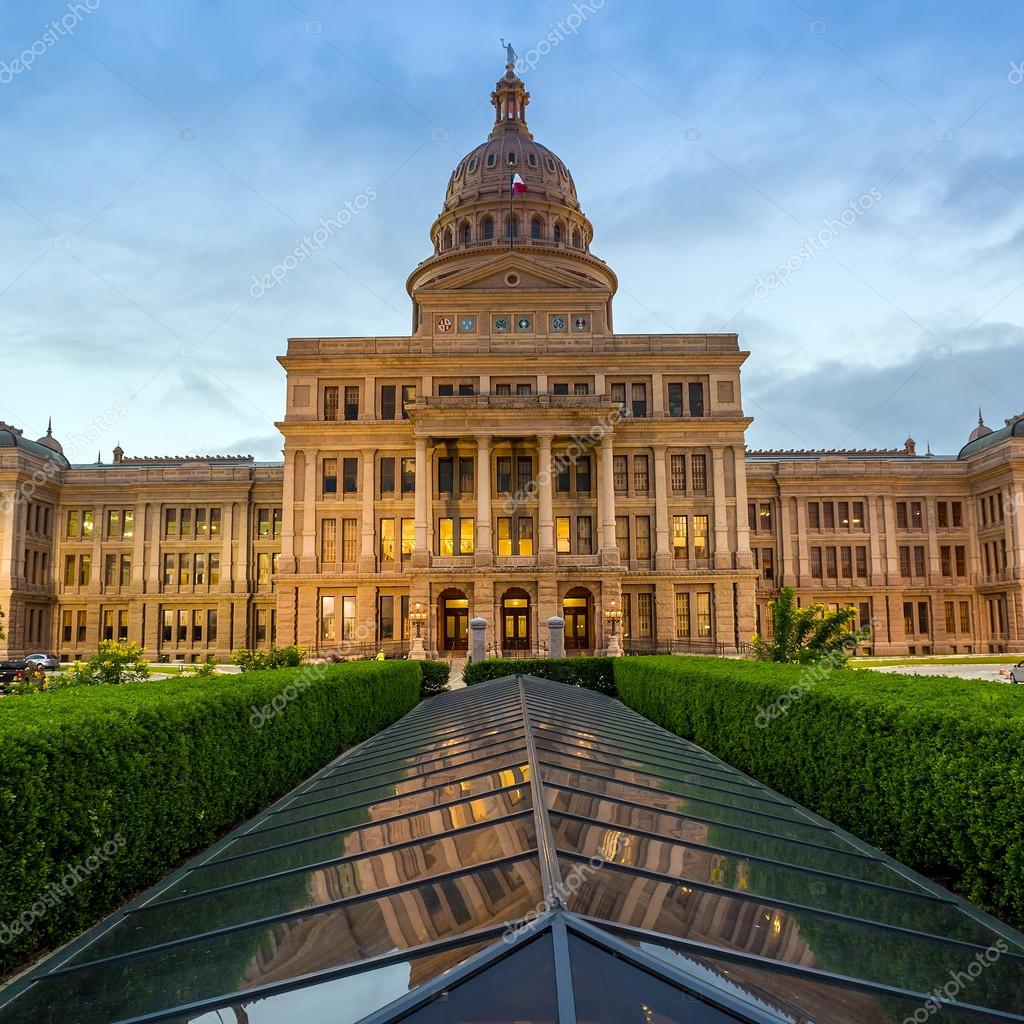
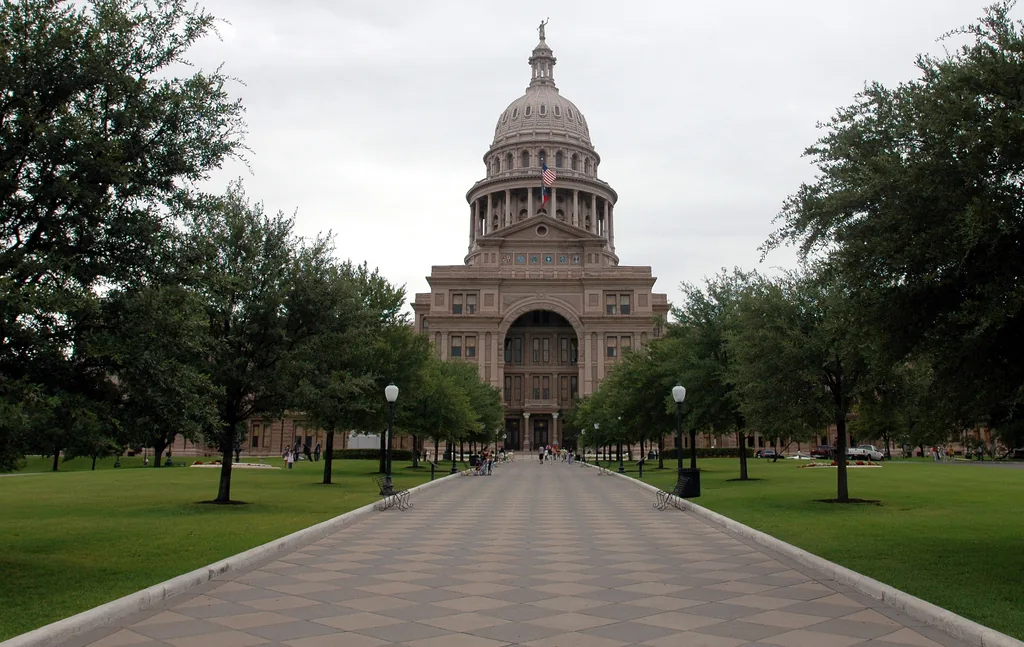
Texas State Capitol
Standing taller than the U.S. Capitol, the Texas State Capitol is a stunning example of 19th-century Renaissance Revival architecture built from distinctive pink Texas granite. Free guided and self-guided tours take visitors through the rotunda, House and Senate chambers, and the surrounding grounds — a must-see landmark just north of the UT campus.
Free ToursDowntown Austin · 2 mi from campus
Campus Culture
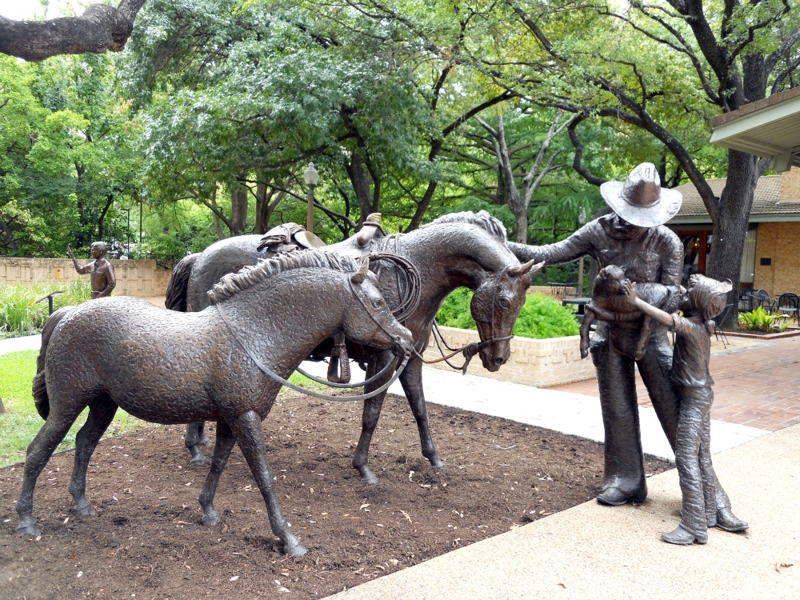
UT Austin Statues
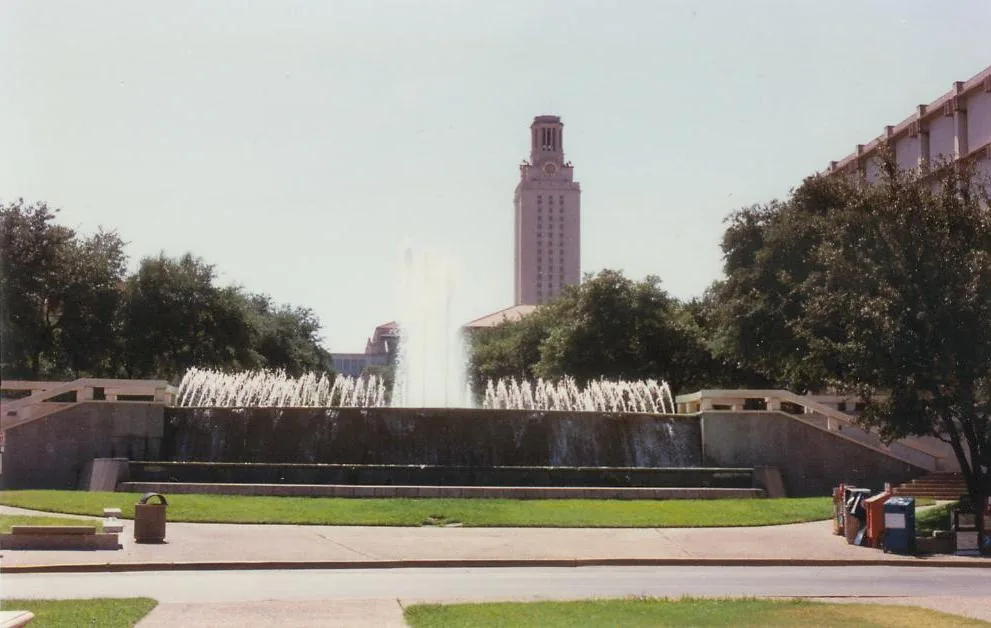
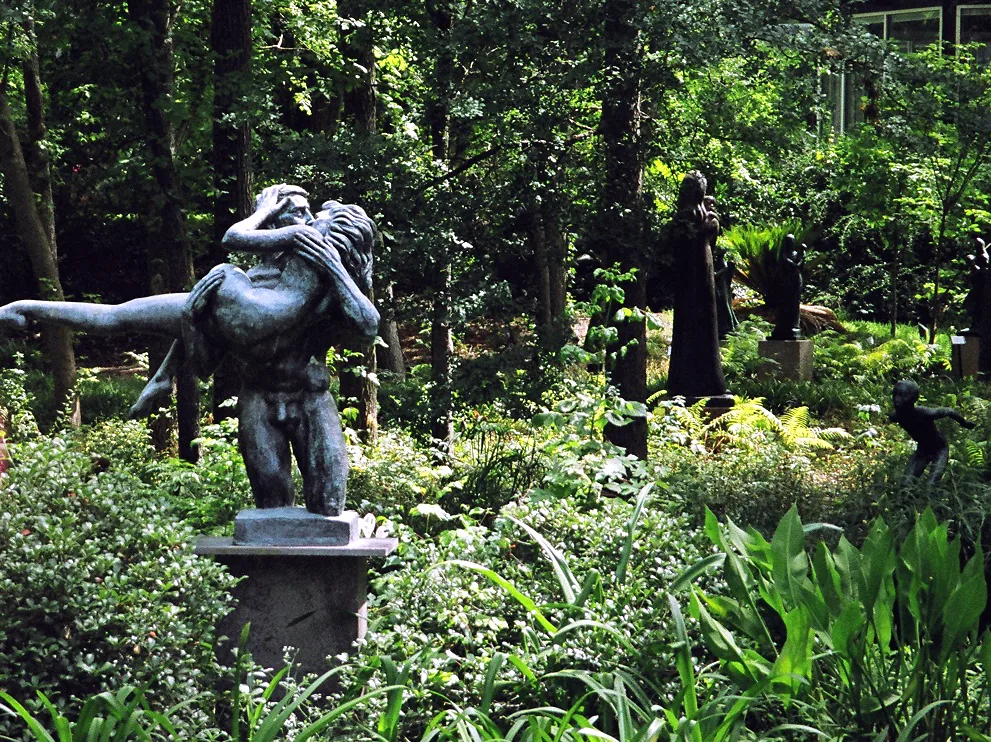
The University of Texas campus is home to a collection of bronze statues celebrating Texas history and heritage, from cowboys and horses to notable figures woven throughout the grounds. A stroll across campus between sessions offers a self-guided walking tour of these landmarks alongside the university's iconic Tower.
Self-Guided WalkOn Campus
For Your Companions
Activities for Spouses, Guests & Free Time
Traveling with a spouse, family, or just have open hours between sessions? Austin's museums, gardens, and Hill Country day trips make for an easy, walkable or short-drive itinerary. Filter by what you're after, or browse the map — hours, tickets, and closures change, so confirm details on each official site before you go.
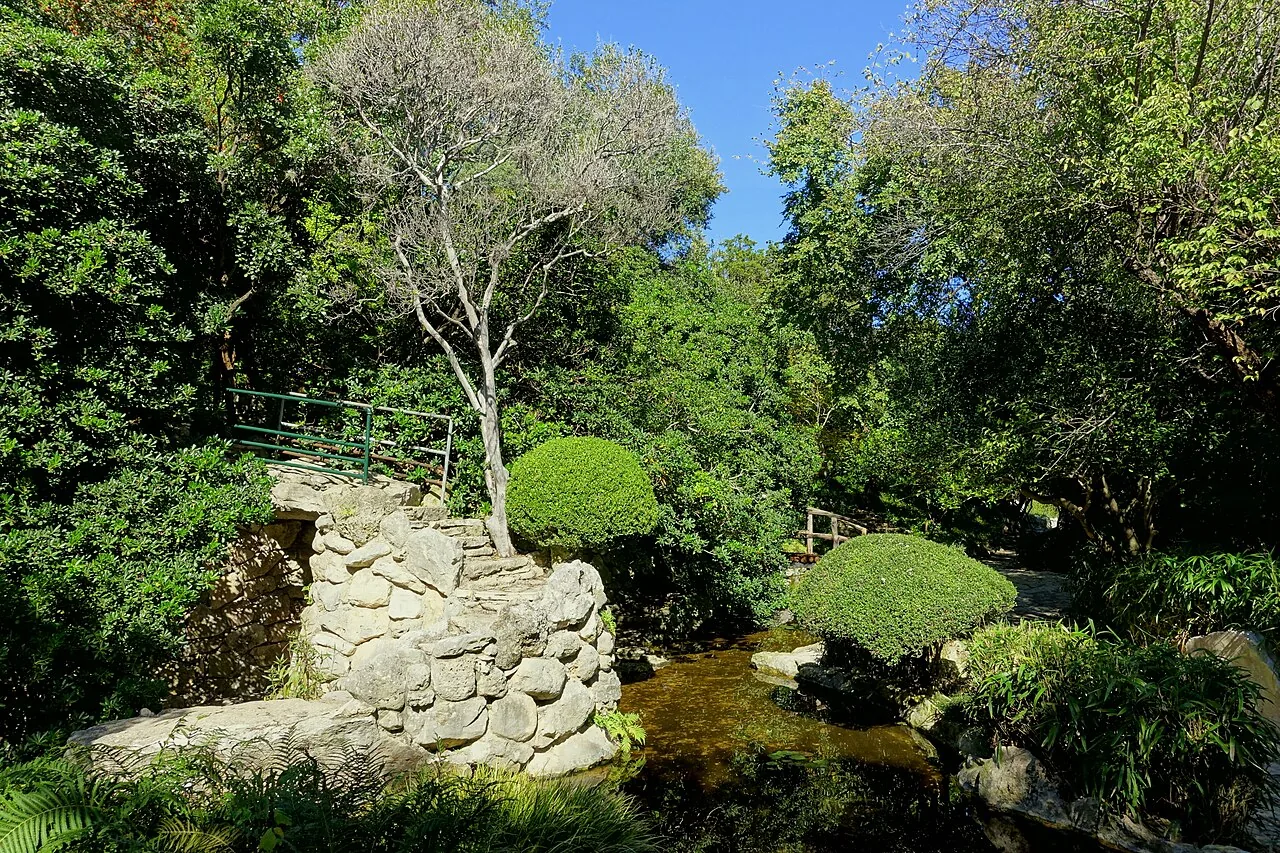
☀️ September is still warm.Put gardens, Zilker, campus walks and overlooks in the morning or near sunset; use museums midday.
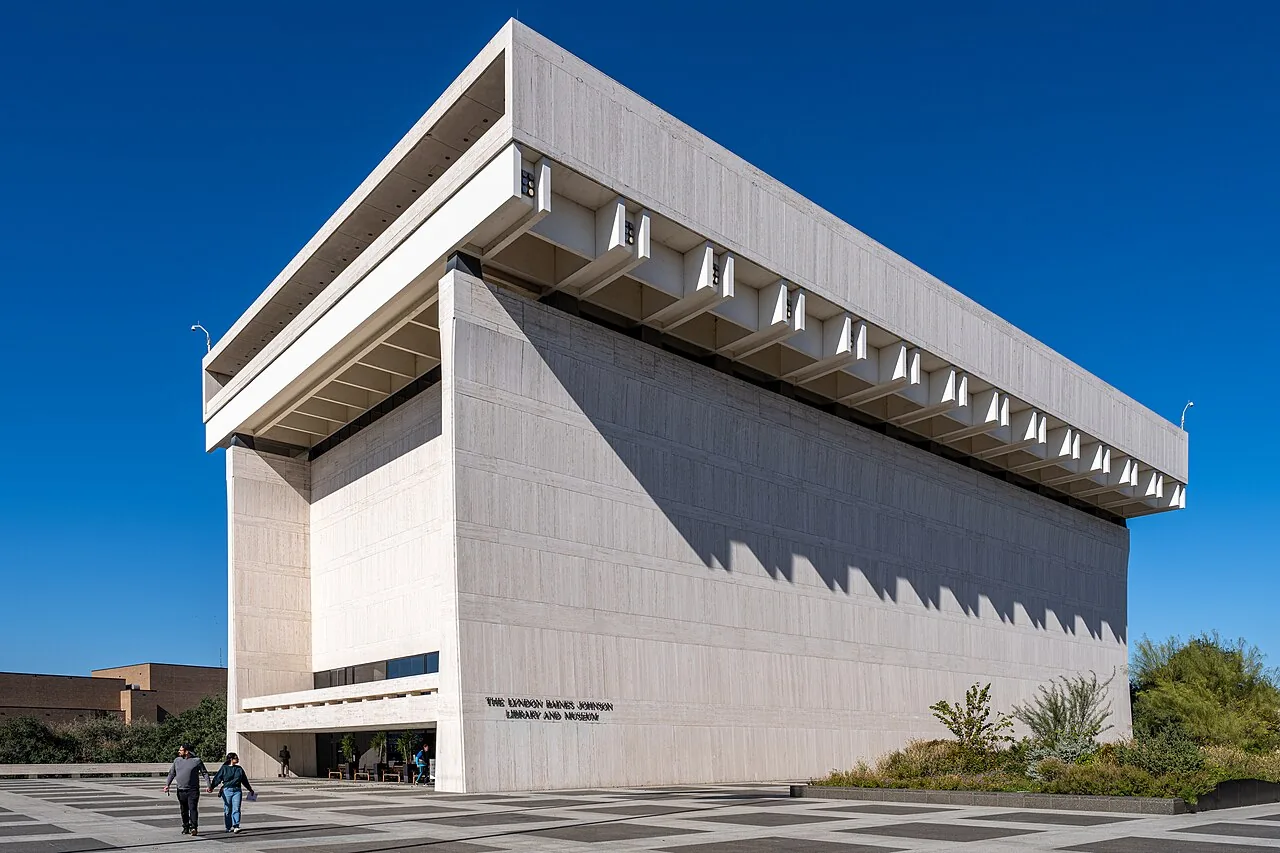
📅 Monday, Sept. 21.Several UT-area museums are normally closed Monday, so favor the Capitol, LBJ Library, downtown sights or outdoor stops.
🏊 Thursday, Sept. 24.Barton Springs' current Thursday cleaning closure is 9 a.m.–7 p.m.; evening guarded swim resumes afterward.
🏛️ Sunday, Sept. 20 is Austin Museum Day.Free admission at more than 30 participating greater-Austin museums and cultural institutions — a great option before the conference kicks off.
🎥 Fantastic Fest overlaps the conference.Running September 17–24, 2026, it's one of Austin's major film festivals — horror, sci-fi, fantasy and offbeat cinema — for a genuinely Austin evening out.
🚲 Dockless e-scooters are everywhere downtown.Download the Bird or Lime app to locate, unlock and pay. Availability and rates vary; park only in designated areas and observe UT pedestrian-zone restrictions.
Austin classic~0.4 mi
Congress Avenue Bridge Bats
Outside. One of Austin’s signature evening experiences: watch Mexican free-tailed bats emerge over Lady Bird Lake.
September is still bat season and can be excellent, but emergence timing and visibility are weather-dependent. Go before sunset.
Sponsorship funds are received through The University of Texas at Austin. Gain prominent visibility with the national research reactor community — operators, researchers, regulators, and students — at one of the field's premier annual gatherings.
✦ Sponsor moment with the full conference audience
✦ Recognition in the meeting program
◈ Diamond
$7,500
✦ Two complimentary meeting registrations
✦ Complimentary exhibit space
✦ Sponsor moment with the full conference audience
✦ Recognition in the meeting program
◆ Gold
$5,000
✦ One complimentary meeting registration
✦ Complimentary exhibit space
✦ Sponsor moment with the full conference audience
✦ Recognition in the meeting program
◇ Silver
$1,500
✦ One complimentary meeting registration
✦ Complimentary exhibit space
✦ Recognition in the meeting program
☕ Activity Sponsorship Opportunities
Activity sponsorships are awarded on a first-come, first-served basis and avaialabilty will be periodcally updated. You will be contacted if your initial preference has already been completely committed.
🍳 Breakfast
$2,500 each
8 available
☕ Morning Coffee Break
$1,000 each
5 available
☕ Afternoon Coffee Break
$1,000 each
4 available
🍽️ Lunch
$2,500 each
6 available
🥂 Welcome Reception
$4,000 each
5 available
⚛️ Tours
$2,000
Available
🎟️
What Each Onsite Representative Receives
Opening Reception (Monday evening)Breakfast — Tue through FriFull Lunch — Tue through ThuConference Banquet Dinner (Wednesday)Optional NETL Reactor Facility Tour
Ready to Sponsor TRTR 2026?
Submit your commitment online or contact us to discuss custom packages. All funds administered through The University of Texas at Austin.
ℹ️ This form collects your sponsorship commitment. Payment will be coordinated through The University of Texas at Austin. You will be contacted to finalize payment details.
Organization Information
Meeting Sponsorship Level
☢ Uranium
$10,000
◈ Diamond
$7,500
◆ Gold
$5,000
◇ Silver
$1,500
Leave unselected if you are committing to activity sponsorships only.
Activity Sponsorship(s)
Commitment Total
$0
Onsite Representative(s)
Representative 1
💳 Preferred Payment Method
Payment will be arranged through UT Austin. Select your preferred method below — you will be contacted to coordinate final payment details after submitting this form.
Check (payable to The University of Texas at Austin)
Purchase Order
Wire Transfer
Credit / Debit Card
Parallel Sessions
Research Reactor Applications Forum
Confirmed Forum Sessions
Confirmed Forum sessions appear below and will be included in the printed program. Additional sessions will be added as the program is finalized.
Monday, September 21 · 5:00 – 6:00 PM
Digital Twin Applications for Research Reactors, MMRs, and SMRs
A digital twin is a dynamic virtual representation of a physical reactor that combines operating data with models to reflect reactor behavior. Digital twins can help researchers and operators better understand performance, test scenarios, anticipate maintenance needs, and support safer, more efficient operation. These capabilities are increasingly relevant to research reactors as well as emerging small modular reactors (SMRs) and microreactors (MMRs).
This meeting will explore launching a consortium where the research reactor community can help one another develop digital twins, share lessons learned, exchange ideas and tools, and identify opportunities for joint projects. The TRTR session will serve as a kickoff presentation and discussion for anyone interested in shaping this collaborative effort.
Part 57's flexible framework can seem ambiguous — but it can also create valuable design and licensing flexibility. This TRTR Forum will connect microreactor developers with research-reactor licensees who have decades of experience building credible, right-sized licensing bases within similarly tailored regulatory frameworks.
💬
A Note on This Program
The Research Reactor Applications Forum is a new concept for TRTR — and whether it becomes part of the 2026 program depends on whether the community wants it.
If we receive enough expressions of interest from across the reactor, research, and industry communities, we'll build the program. If the interest isn't there, we won't.
Your submission — whatever your role — is a vote for this format.
We'll announce by late July 2026 whether the Forum will proceed, and if so, which topics move forward to be shaped by the community priority ranking.
Structured conversations across the reactor, research, and industry communities discussing where research reactors can contribute or share information, and where barriers may have limited collaboration.
Across radiation effects testing, medical isotope production, materials research, and other domains, research reactor capabilities are not always visible to the communities that could use them. In some cases the connection simply hasn't been made. In others, assumptions about what research reactors can deliver may not reflect current reality.
Research reactors continually seek and develop innovations for operations, maintenance, and research capabilities that could result in safer and more efficient operations across the community — knowledge that does not always travel beyond the facility where it was earned. The Research Reactor Applications Forum is designed to build those connections and close those gaps.
These will not be paper presentations. Each Forum session will be a structured conversation designed to bring together reactor operators, external researchers, agency program managers, and industry partners — anyone with a stake in whether these capabilities and innovations reach the people and programs that could benefit from them. The goal is matchmaking, knowledge transfer, and peer learning: connecting reactor facilities with external communities that haven't found their way to the table and sharing lessons from reactor-to-reactor. Sessions will be held after the main technical program concludes, giving every attendee the opportunity to participate regardless of their conference schedule.
⚛️ Reactor Facilities
Share what your facility can do, what you've learned building a capability, and what a similar program might look like elsewhere. Or ask — if another facility has developed something that would benefit the community, this is the place to surface that conversation. Not a paper — an honest working exchange.
🔬 Researchers & Industry
If you have a testing, irradiation, or isotope need — or if you've written off research reactors based on assumptions about what they can deliver — this session is for you. Bring your problem.
🏛️ Agencies & Programs
Program managers and agency representatives are essential voices here. If you fund work that touches reactor-based testing or production, your perspective on what's working — and what's missing — shapes the conversation.
Example Forum Topics
OFFERED
Reactor Digital Twins — Architecture, Data Infrastructure & Lessons Learned
UT-NETL shares the development path for their TRIGA digital twin: required data streams, physics-informed modeling, real-time control integration, and a candid look at what they would do differently from day one.
OFFERED
Radiation Effects Testing: What Research Reactors Can Actually Deliver
A direct response to the misconception that research reactors can't produce fields relevant to radiation effects work. Covers flux and dose rate ranges, dosimetry standards, test reporting, and how to engage facilities — with perspective from both reactor operators and end users.
OFFERED
Isotope Production — Pathways, Progress & What's Changed
Medical isotope production at research reactors is gaining traction after years of stagnation. A discussion of what's changed, where opportunities exist for facilities at different scales, and what the licensing and commercial landscape actually looks like today.
PROPOSED
Where Are the Gaps? Application Domains Where Research Reactors Could Contribute More
An open roundtable to identify application areas — beyond the well-known ones — where embedded assumptions or lack of awareness may have limited collaboration. Radiation effects and isotope production are starting points, not endpoints.
PROPOSED
Collaborations That Work — and What Made Them Work
Successful partnerships between reactor facilities and external users — in radiation testing, materials research, or other domains — share their stories with an explicit focus on what it took to get there and what others would need to replicate it.
PROPOSED
University–National Lab Partnerships — MOUs, Shared Use & Joint Staffing
Structuring durable partnerships: how to negotiate shared-use agreements, manage IP, co-hire personnel across institutional boundaries, and maintain alignment when priorities diverge.
How the program comes together
Submit an expression of interest — use the form below. Whether you're a reactor facility, an external researcher, an industry partner, or an agency representative, tell us what you'd bring or what you need.
Community input — proposed topics are shared with attendees for feedback. Topics with broad cross-sector interest rise to the top.
Program committee review — the committee matches interests, recruits additional voices where needed, and designs sessions for genuine dialogue — not one-way presentations. You'll be notified of your session's structure by email.
Confirmed sessions appear below — accepted Forum sessions are listed here and included in the printed program.
Attend what matters to you — sessions run in parallel after the main technical program. All registered attendees may attend any Forum session.
🔒 The Forum submission window has closed. Community input is now open — share your priorities below.
Join the Conversation — Share Your Perspective
Whether you're a reactor facility, an external researcher, an industry partner, or an agency representative — tell us what you'd bring to the table or what you need. The program committee reviews all submissions.
Community Vote
Share Your Priorities
Submissions are now closed. Please indicate which proposed Forum topics are most relevant to your work — whether you're at a reactor facility, a research organization, or an agency.
Rank as many or as few as you like. 1 = highest priority. Results will inform the program committee's final session design.
Research Reactor Applications Forum — Expression of Interest
My role in this conversation: *
⚛️ Reactor Facility
I can share a capability, collaboration, or lesson learned from our program
🔬 Researcher / Industry
I have a need, a question, or a problem where research reactor capabilities may be relevant
🏛️ Agency / Program Mgr
I fund or manage programs where reactor-based capabilities are or could be relevant
⚛️ Reactor Facility (Seeking)
I'd like to learn from another facility's experience — an operation, capability, or innovation I'd like to understand or adapt
0 / 120
Help the committee understand what you can bring. What capability, collaboration, or lesson would you share — and what would participants leave understanding or able to do?
1.
2.
Tell us what you need, what you're exploring, or where you've hit a wall. This could be a specific testing need, a question about what research reactors can deliver, or a collaboration you're trying to get started.
Get in Touch
Contact the Organizing Committee
Whether you have questions about registration, sponsorship, abstract submission, or hotel accommodations, we're here to help.
Nuclear Engineering Teaching Laboratory The University of Texas at Austin Austin, TX 78712
Hosted by The University of Texas at Austin
All registration fees and sponsorship contributions are processed through UT Austin. Federal Tax ID and account details will be provided upon request for institutional purchasing.
Send a Message
Choose Registration Type
📋 Register now — pay securely through the UT Austin payment portal. Early rate ($800) applies before August 1; late rate ($850) applies after.
Conference Registration
📋 Complete your registration below. Credit/debit card payments will be processed through the UT Austin payment portal. Check, purchase order, and wire transfer instructions will be provided upon submission.
🔍 Returning registrant found
🪪 Badge / Nametag
Your badge will be printed with the name and affiliation below. Leave blank to use the name and institution entered above.
💳 Payment
Select your preferred payment method:
Check (payable to The University of Texas at Austin)
Purchase Order
Wire Transfer
Credit / Debit Card
Payment is processed securely through The University of Texas at Austin.
Conference Registration
Register for TRTR 2026
Registration fees support conference operations and are processed through The University of Texas at Austin. Register and pay securely — you will be directed to the UT Austin payment portal to complete your registration.
⚠️
We are at conference capacity. New registrations will be accepted only by exception, for justifiable and extenuating circumstances, reviewed on a case-by-case basis. Please contact us before registering to confirm space is available.
Professional
Full Conference
$800
Per attendee · Includes all sessions
All technical sessions (3 days)
Conference proceedings (digital)
Welcome reception
Conference banquet
Facility tours (NETL)
Student
Student Rate
$300
Reduced rate · Valid ID required
All technical sessions (3 days)
Conference proceedings (digital)
Welcome reception
Conference banquet
Eligible for student paper award
Virtual
Remote Attendance
$300
Live-stream access
Live-stream of plenary sessions
Digital proceedings
On-demand recordings (30 days)
Professional rate: $800 (early) · $850 after August 1. Cancellation policy: full refund up to 30 days before the conference.
Abstract Submission
📋 Submit a 300-word abstract. You may paste your text directly or upload a file (PDF or .docx).
0 / 300 words
📄
Drag & drop your file here
or click to browse
Register Your Intent to Submit
Not ready to submit your full abstract yet? Let us know you're planning to — this helps the program committee gauge interest and plan sessions. No abstract text required.